
UX · Design · Prototype · Code
Helping Humans and Computers
Understand Each Other
Design in the AI Era
Scroll
Remember when the future of UI was no UI?
That was the voice-control push a few years back. It never quite arrived. Now it has, and like everything else lately, it arrived as AI.
Ask an agent almost anything and its first move is a search. When the agent handles the task, there is no interface. Nobody scrolls. Nobody sees the hero image. The agent fetches, reads, comprehends, summarizes, and hands back an answer. Your interface is a sentence a machine wrote about you.
If a screen reader can read your page,
an agent can too.
Proof: one-two-tree.com
one-two-tree.com (opens in a new tab) is a small field guide for learning Pacific Northwest trees by shape, leaf, branch, or bark. It began in Lovable, the way prototypes do.
- 100Performance
- 100Accessibility
- 100Best Practices
- 100SEO
Google Lighthouse, all four categories.
It is a real tool for a real problem, which is walking through a forest and not knowing what anything is called. It is also a working demonstration that the standard is reachable, on a budget of evenings.

Side Project
One Two Tree
A quiet guide to the trees of the Pacific Northwest.
Case Studies
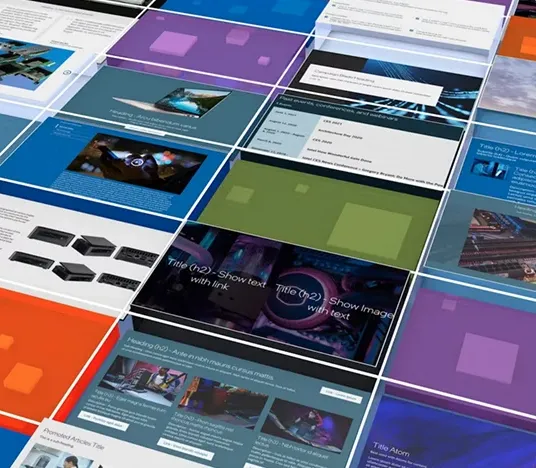
How we cut development questions 75% on a 700K-page platform (opens in a new tab)
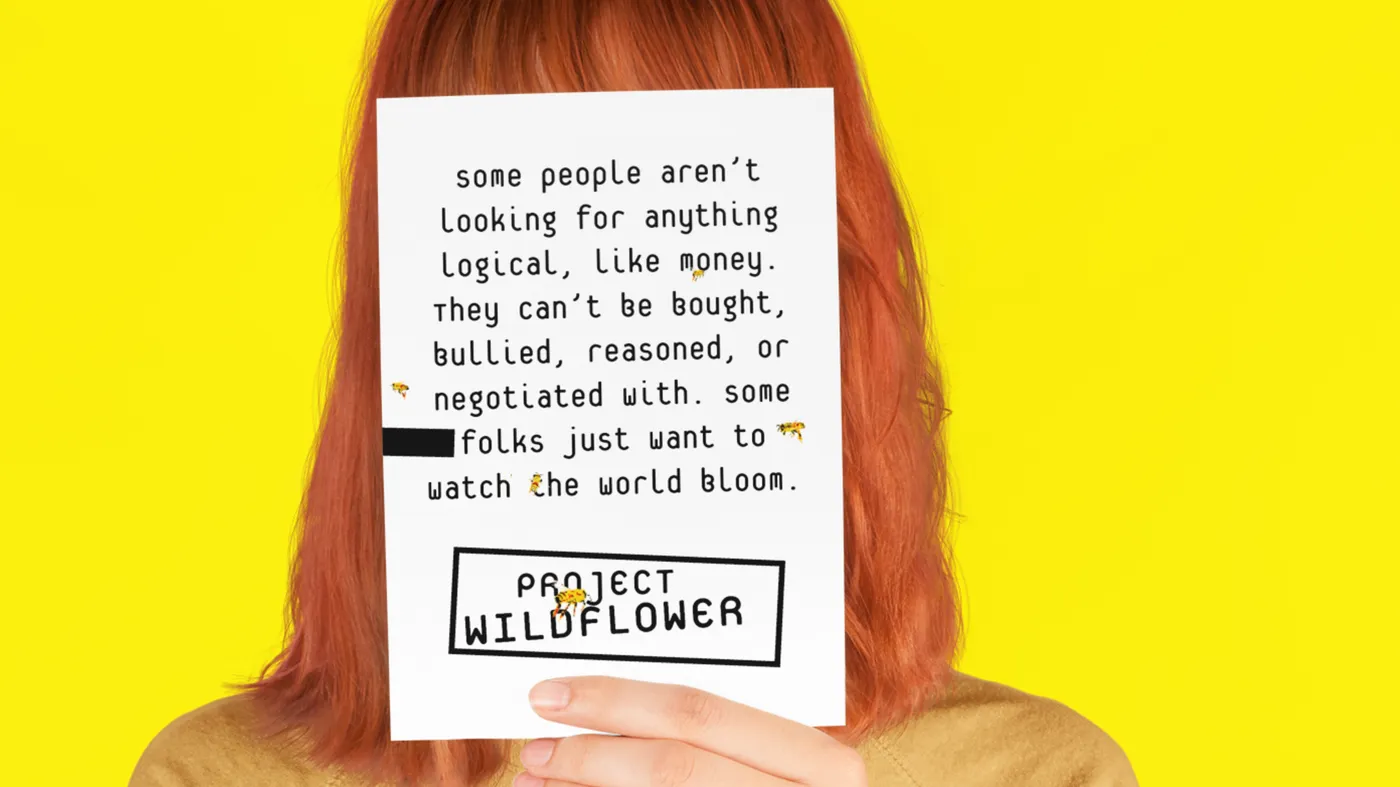
From invisible to 96% traffic growth
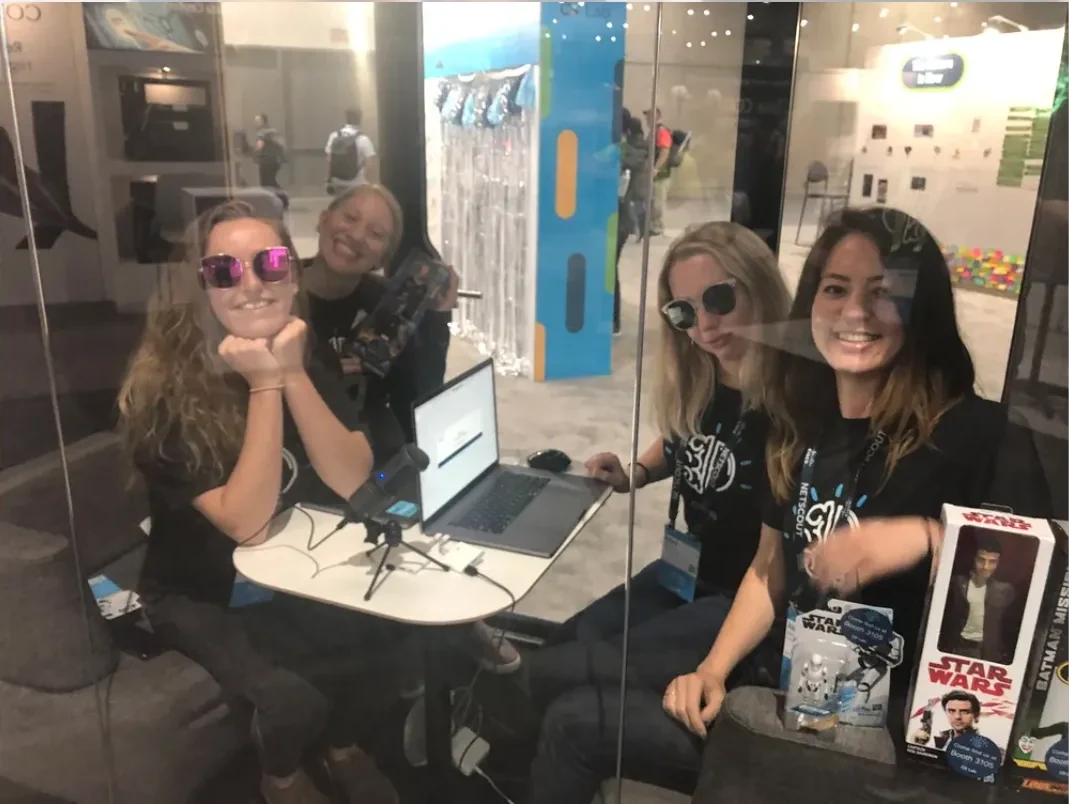
Wonder Woman saves Digital Design testing in Barcelona
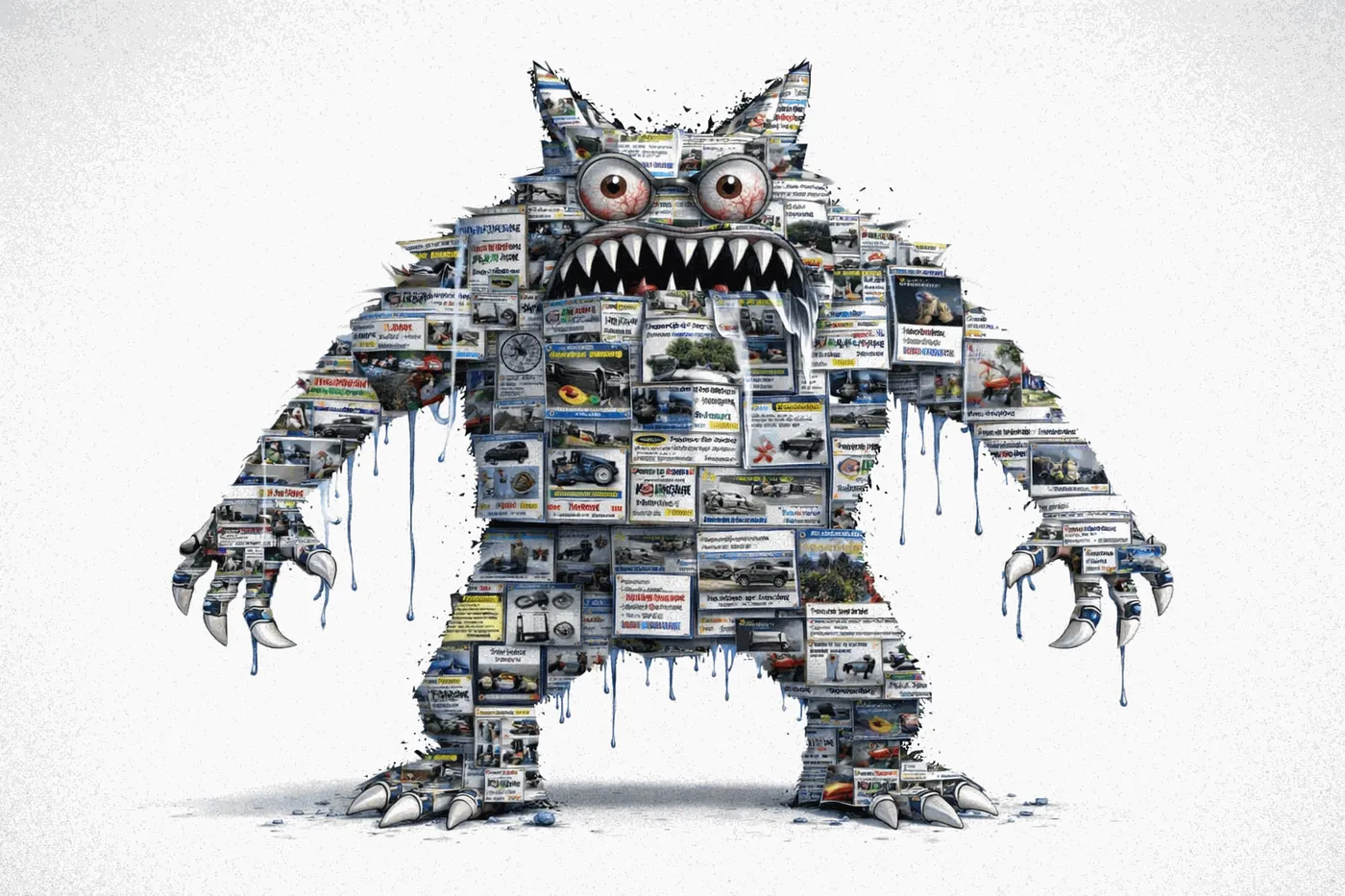
Quickly Taming the Monster (opens in a new tab)
Frequently Asked Questions
What does Project Wildflower actually do?
Design for things that have to hold together at scale. Prototypes, design systems, content architecture, and the governance that keeps them from drifting apart once more than a few people are contributing. We came out of enterprise, so most of what we do involves a lot of pages, a lot of contributors, or both.
What's a high-definition prototype?
A prototype that would survive contact with the real world. Not more pixels. It means the thing is built with real structure underneath, so a screen reader can read it, a search engine can index it, and an AI agent can understand it, and you know that before you commit a quarter to building the production version.
Isn't that just building the site twice?
It's less work than it sounds, because the parts that make a page readable are mostly things you'd have to do eventually anyway. Semantic HTML, headings in order, labels on inputs, alt text. Doing it in the prototype means you find the problems when they cost an afternoon instead of a sprint.
Why does it matter what a machine can read?
Because a lot of your visitors are machines now. Cloudflare's traffic data crossed over in June 2026, with roughly 57% of requests to web pages coming from bots rather than people. Many of those are AI crawlers reading your page to answer somebody's question somewhere else. If your content only exists after JavaScript runs, or only makes sense visually, it's not going to make it into that answer.
Is this SEO?
It overlaps with SEO and it's not the same job. SEO has traditionally been about ranking in a list of links. This is about being legible to something that reads your page and then writes a summary of it. People call it AEO or GEO, answer engine or generative engine optimization. Mostly it comes down to writing clearly and marking up honestly, which is the part that never changed.
Does FAQ schema help with AI search?
Less than the internet will tell you. Google retired FAQ rich results on May 7, 2026, so the dropdowns are gone for everyone. The FAQPage markup is still valid and there's no reason to strip it out, but there's no confirmed evidence that adding it earns you citations from ChatGPT or Perplexity or AI Overviews. What helps is the visible answer being clear, complete, and sitting in the HTML where a crawler can find it. The markup describes that. It doesn't substitute for it.
How do you measure any of this?
Google Lighthouse is the honest baseline: performance, accessibility, best practices, SEO, four scores, hard to argue with. It doesn't measure everything that matters, and a perfect score doesn't mean the content is good. It does mean nothing structural is broken, which is a real thing to be able to say.
We already have a design system. Do we need this?
Maybe not. Design systems tend to be good at components and less good at what happens across pages, which is where headings drift, labels go missing, and the content model stops matching what people are actually publishing. If that sounds familiar, there's work here. If it doesn't, there might not be.
Isn't accessibility a compliance thing our legal team handles?
Legal will tell you the standard. They won't tell you where your product fails it, and they usually get involved after somebody complains. The overlap with machine readability is the useful part: the work you'd do for a screen reader is largely the same work that makes your content usable to an AI agent, so it stops being a cost center.
Our developers already handle semantic HTML.
Some do. It's worth checking rather than assuming, because it degrades quietly. A quick audit will tell you in a day or two, and if everything's fine you've spent very little to know that.
Work with us
We'd like to hear what you're working on
Project Wildflower is Norville Parchment and Ann Radcliffe. We met directing design and documentation on a 700,000-page platform and have been building the same way ever since: structure first, then surface.
We are taking on new work now — prototypes, design systems, content architecture, and the governance that keeps all three from drifting. No intake form, no discovery call required. Just tell us what's going on.